

Not All Light Is Created Equal: Wedding Lighting Photography Scenarios Explained
Let’s talk about why some wedding photos absolutely slay and others just… exist.
You’ve probably heard the horror story:
The final wedding gallery arrives. And I mean… they’re fine? Everyone looks good. Nothing’s technically wrong. They’re not the worst thing anyone’s ever laid eyes on.
But, they also don’t feel the way the day felt.
That has nothing to do with the camera or the post-wedding edits or even if your photographer has a “good eye.”
It’s all light. More specifically, how your wedding photographer works with light when it’s unpredictable, imperfect, or doing something incredibly inconvenient.
Light doesn’t just affect how your wedding photos look; it shapes how they feel. It’s the difference between images that feel cinematic, intimate, and lived-in and ones that *technically* document the day… but never quite bring you back to the feeling of it.
And here’s the real kicker: The lighting for your wedding photos has absolutely nothing to do with controlling the environment and everything to do with adapting to whatever the day gives us— and protecting the feeling of it like my life depends on it.
The sun is going to sun. The reception lighting is a choice someone else probably made. And the day will carry on like nothing ever happened, whether we like it or not.
So let’s talk through the lighting scenarios that show up on realer-than-real-life wedding days, and why they matter a whole lot more than you might realize.
Direct Sunlight
(AKA, everyone’s favorite thing to panic about)
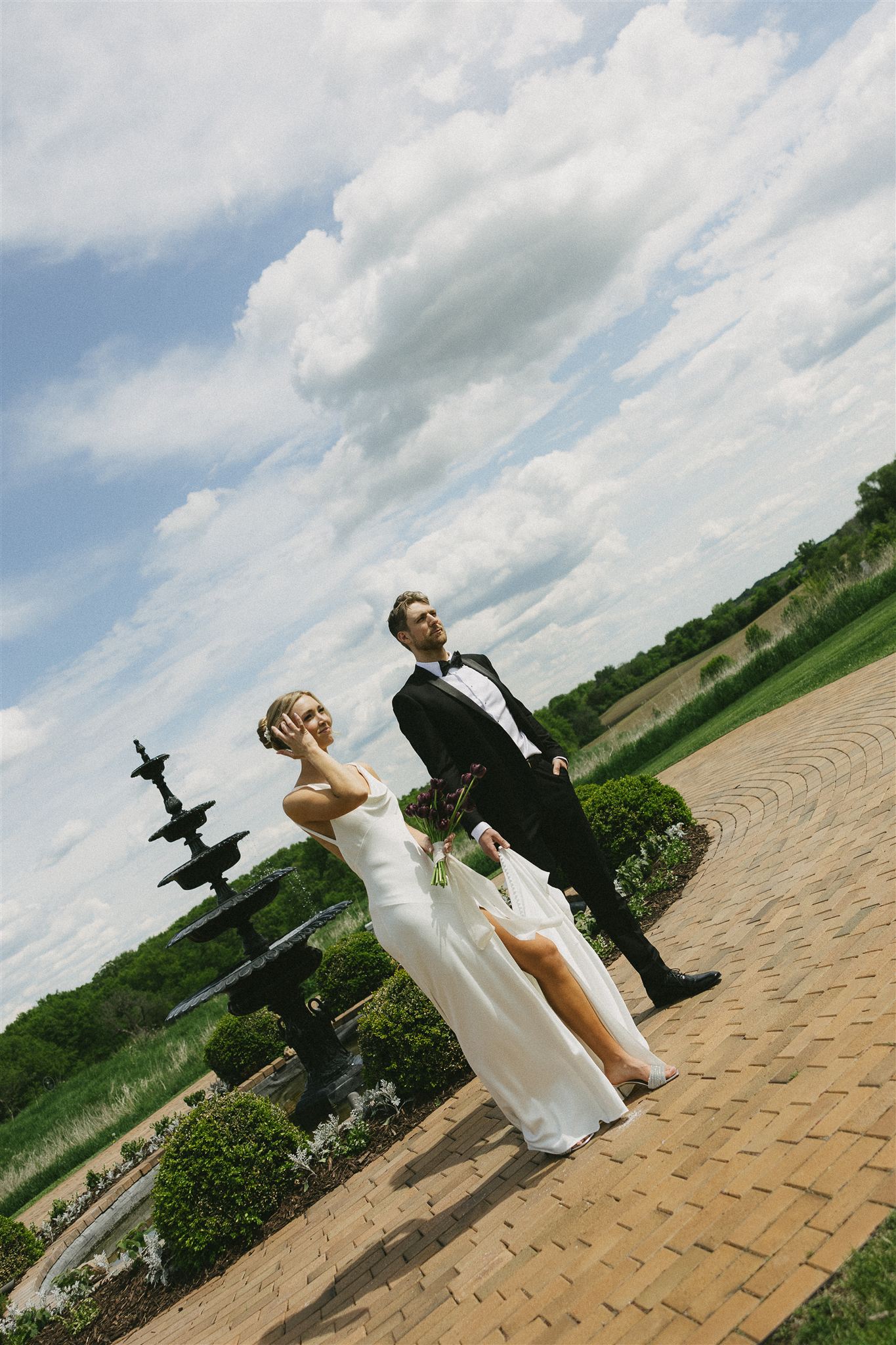
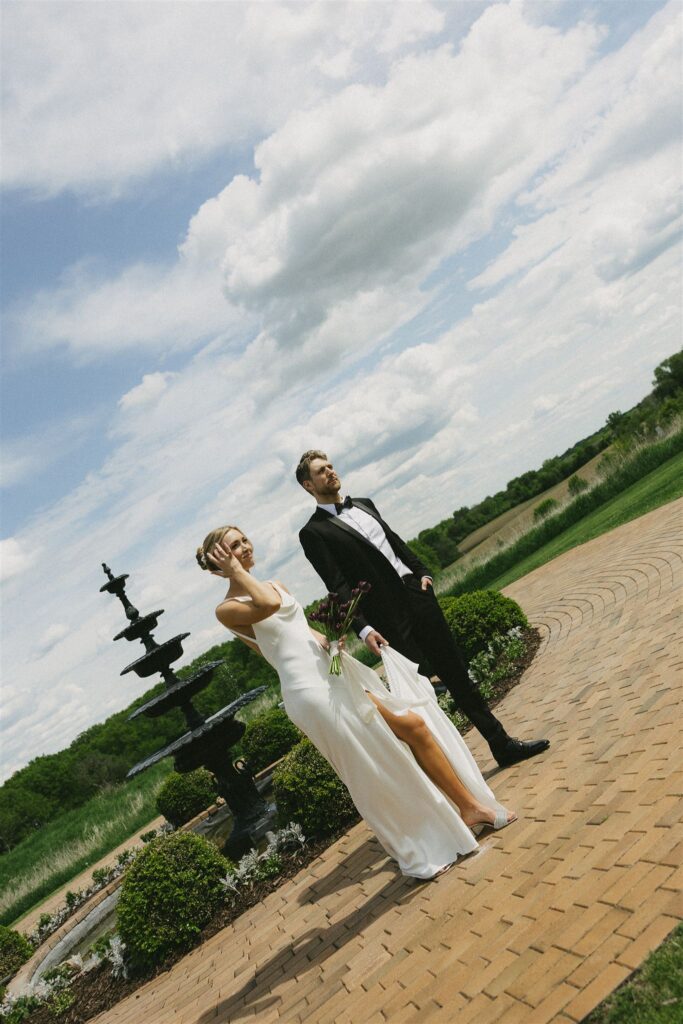
Direct sun has earned itself a bit of a scarlet letter reputation. Too harsh, too contrast-y, too dang risky.
And I’ll say it to you straight, if your wedding photographer doesn’t know how to work with it, that fear is valid. Direct sun will absolutely expose you.
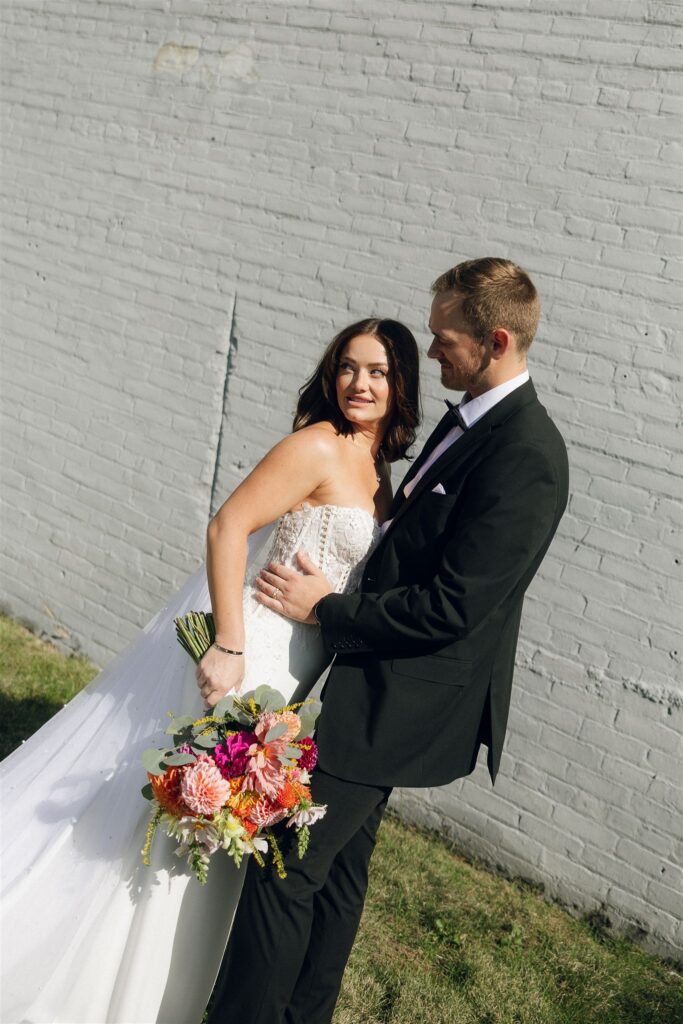
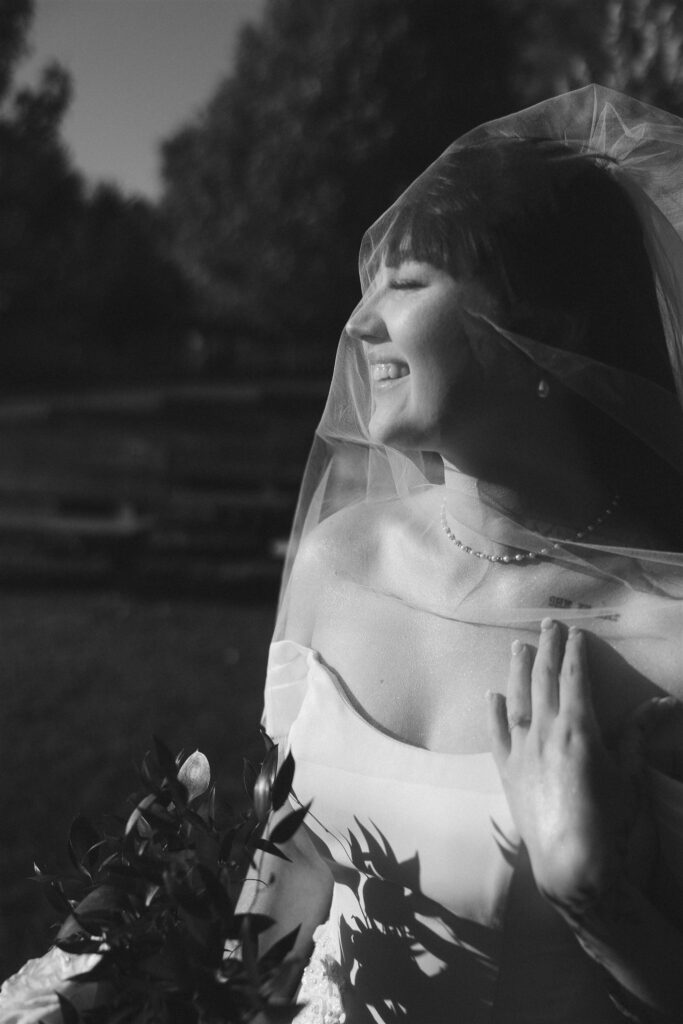
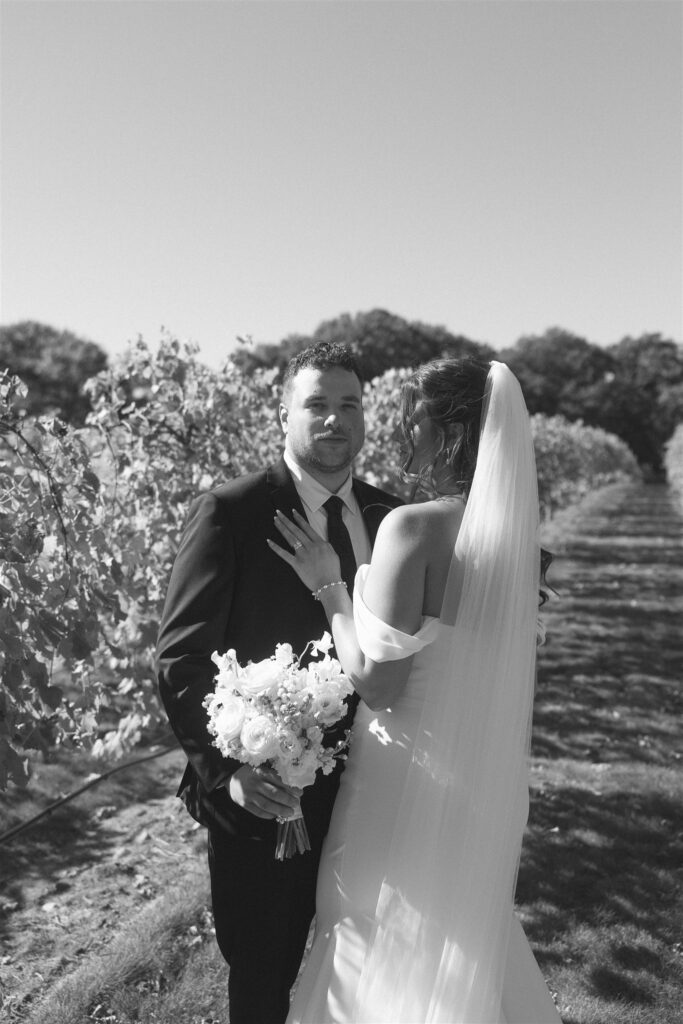
But when it is handled well? It’s one of the most elite lighting scenarios you can possibly get.
Direct sun gives photos dimension instead of washing everything into sameness. She brings contrast. Shape. Real shadows. Real highlights. I mean, she’s got audacity.
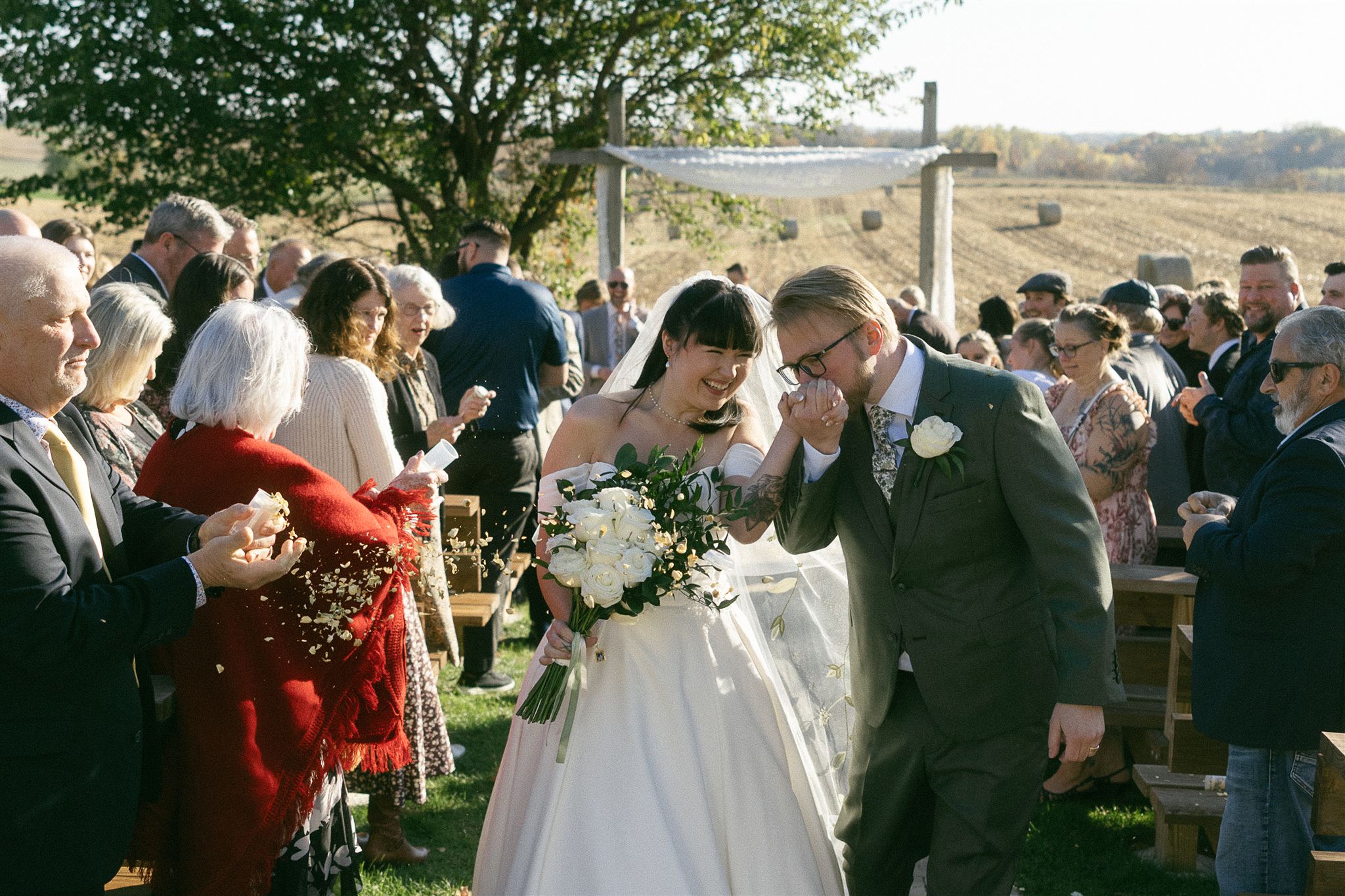
When I learned to embrace (and, I’ll admit it, sometimes even pray for) a little bit of direct sun, it completely changed how I document wedding days. I stopped running from funky light and started looking for it, and the images immediately felt more artful and more alive.
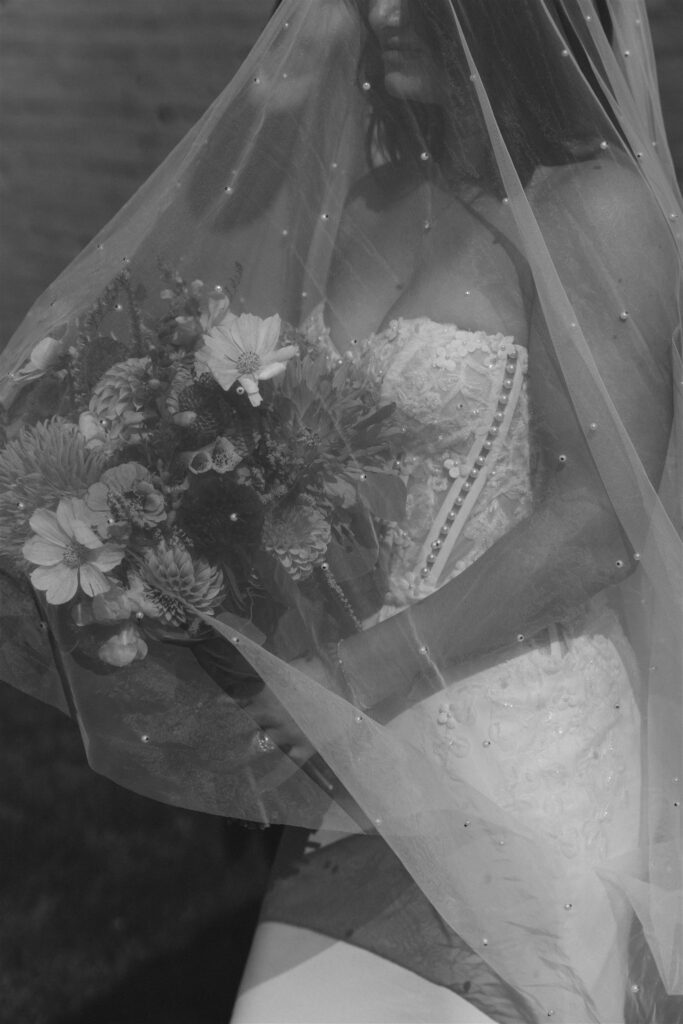
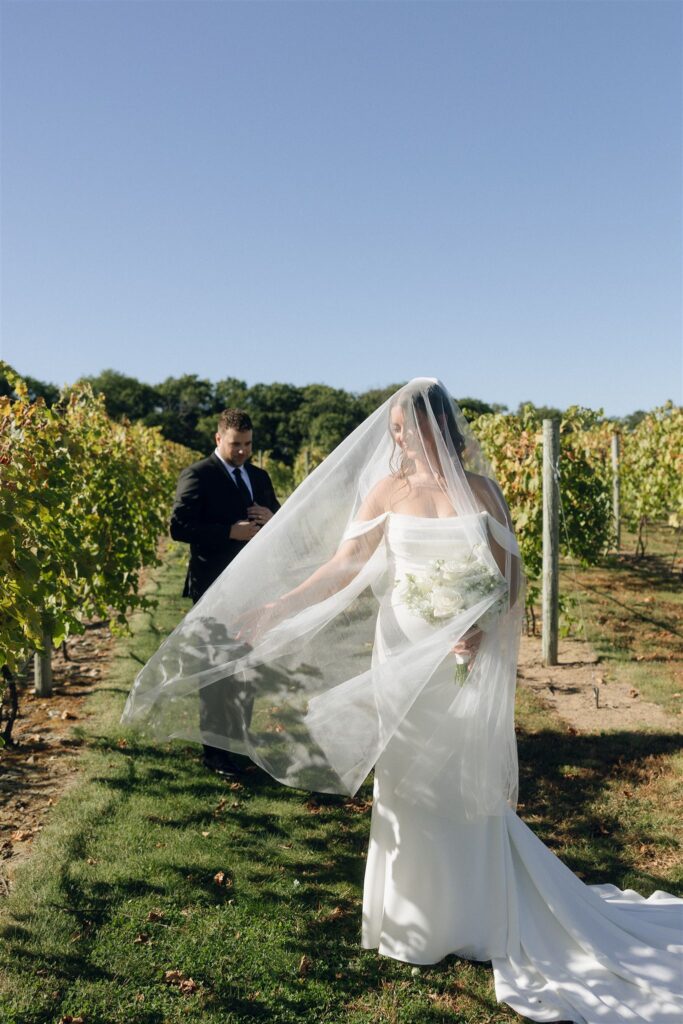
And I will die on this hill: A veil in sun is a personal love letter to me.
The glow? The movement? The way the light catches just enough and then carries on? Stunning. Groundbreaking. Iconic.
So, no, direct sun isn’t something to be scared of. It’s something to trust your wedding photographer with, because in the right hands, it doesn’t ruin moments. It gives them edge and depth.
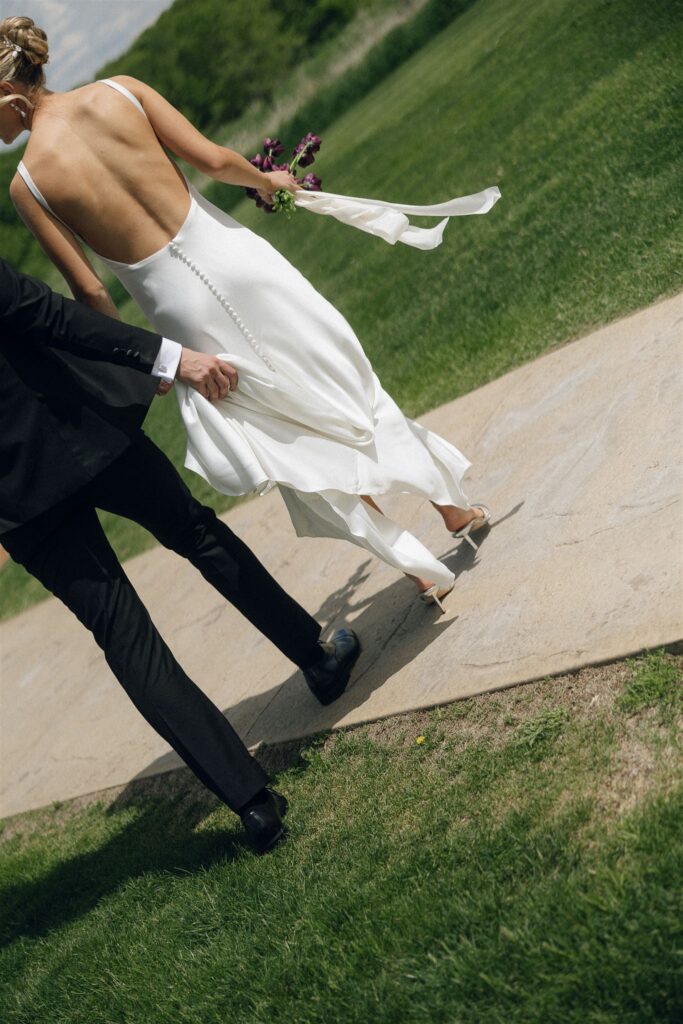
Open Shade
(AKA, a wedding photographer’s safe space)
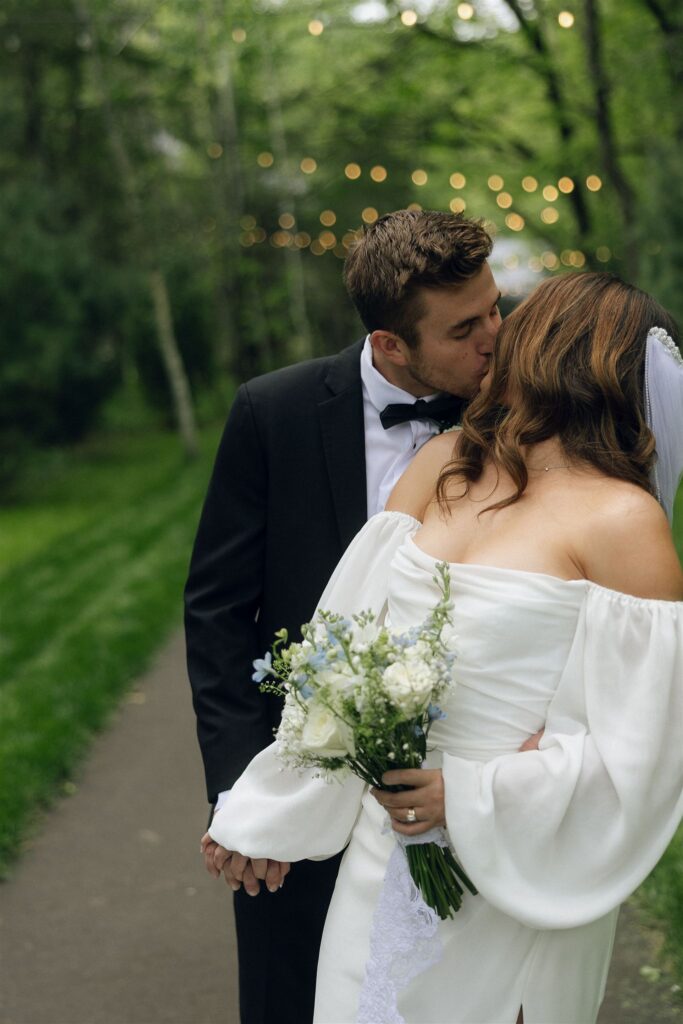
Open shade is what most people mean when they say they want “soft, flattering light.” Even exposure, calm skin tones, no squinting.
Everyone’s chill. Cameras are happy. And it’s great, it really is.
The thing to know is that open shade is also very well-behaved light. It doesn’t ask too much of you. But if you stay there all day, everything can start to feel a little… flat. Not bad. Just forgettable.
This is where a photographer’s eye matters. Depth doesn’t come from the light alone — it comes from how you use it. Angles. Movement. Framing. Knowing when to step closer, when to back up, and when to let the moment carry the image instead of the lighting.
Open shade works best when it’s part of the story, not the whole story.
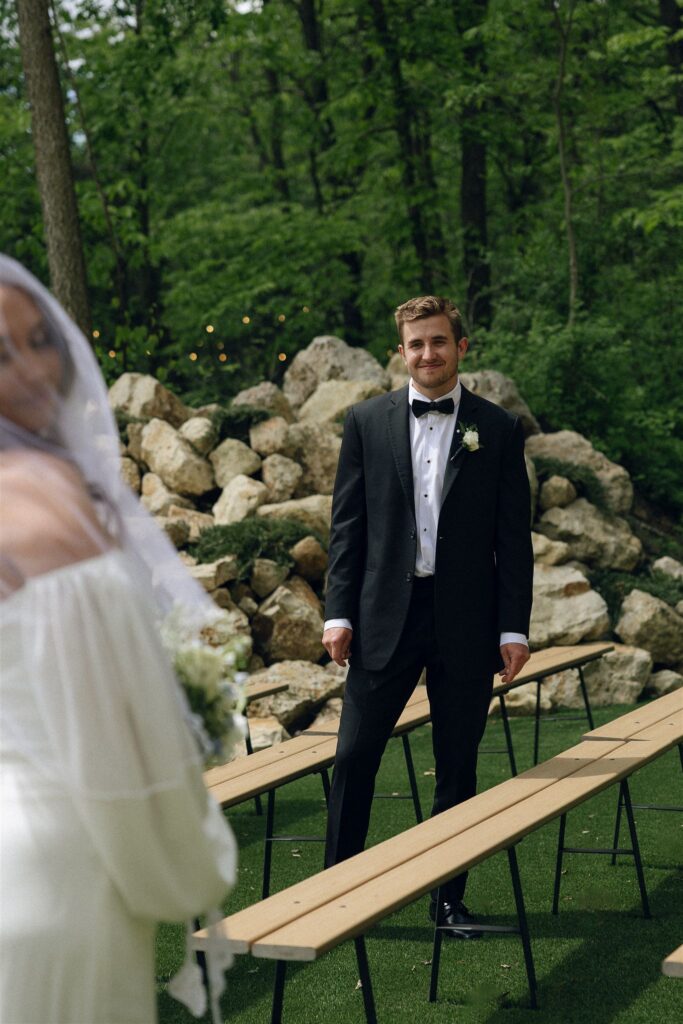
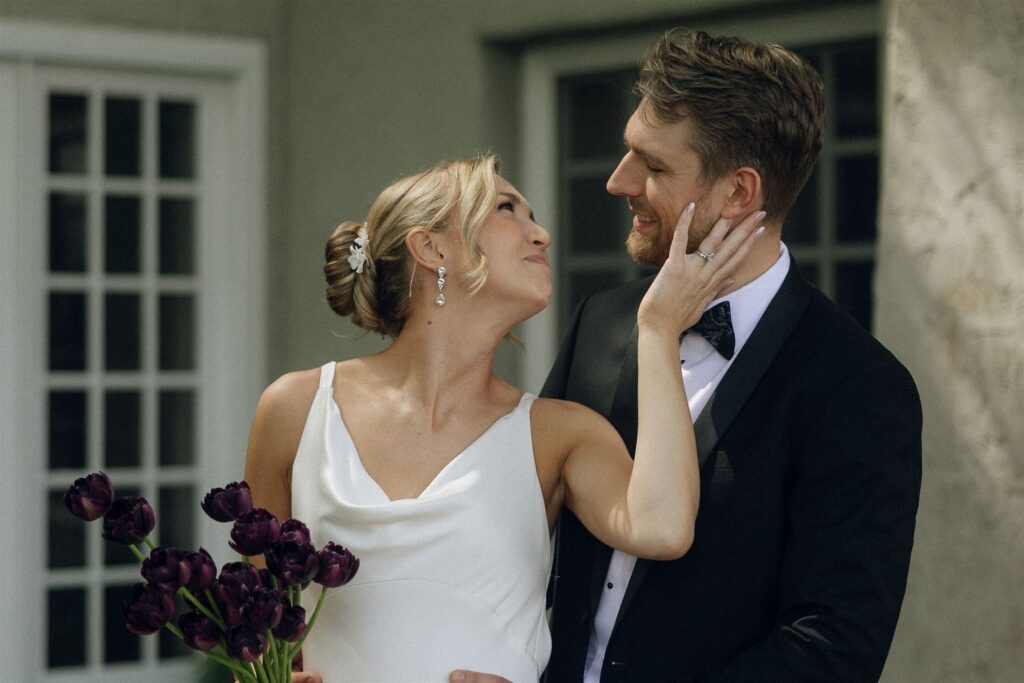
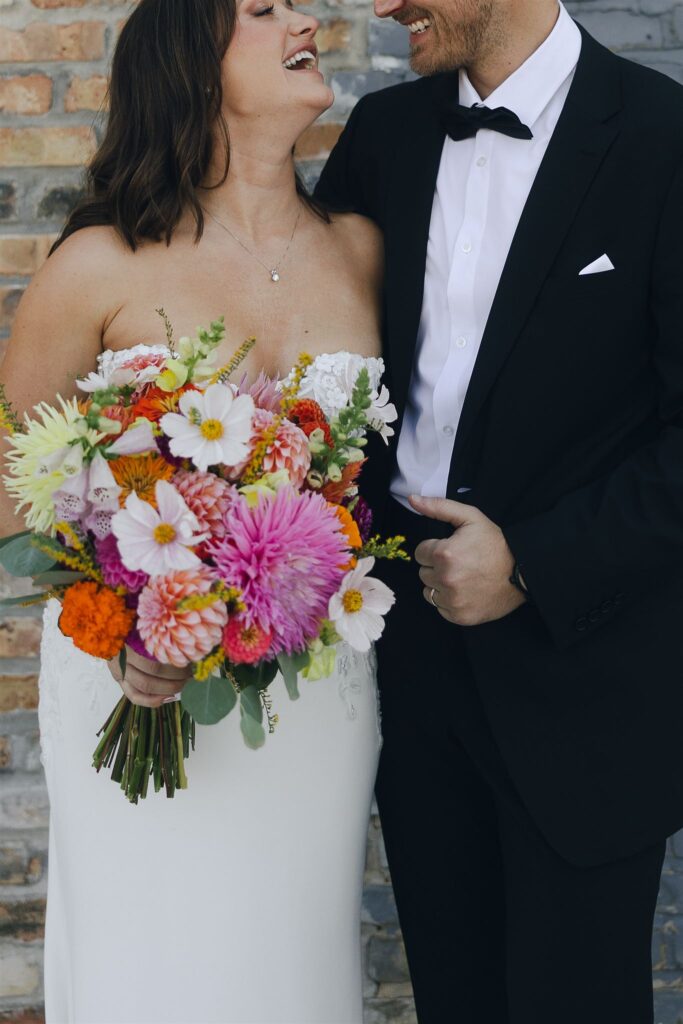
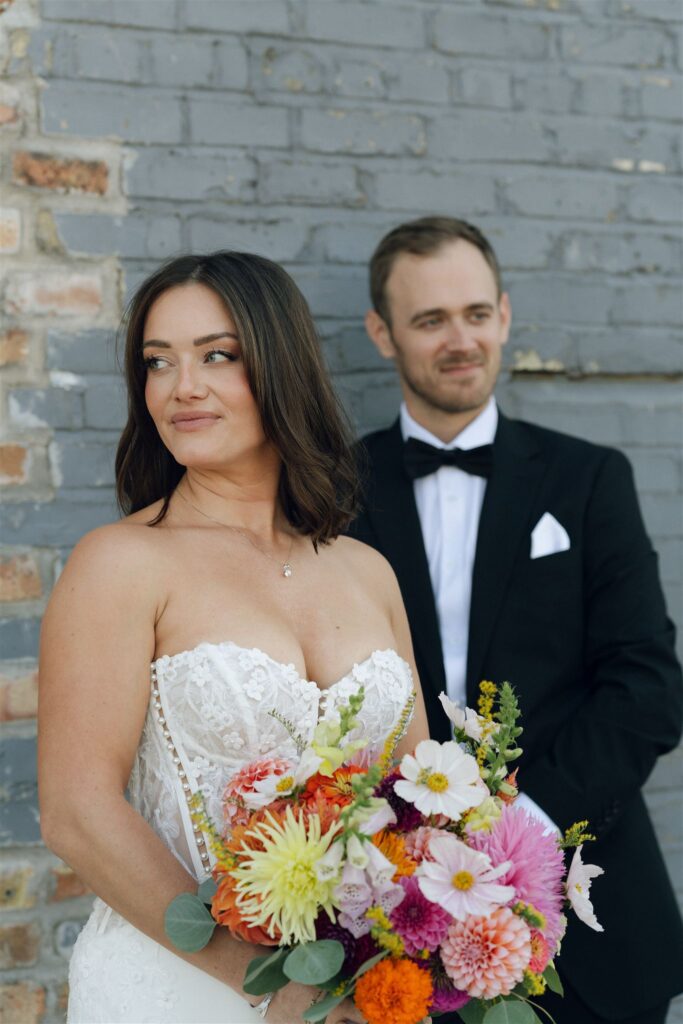
Overcast Light
(AKA, when the sky decides to be a real one)
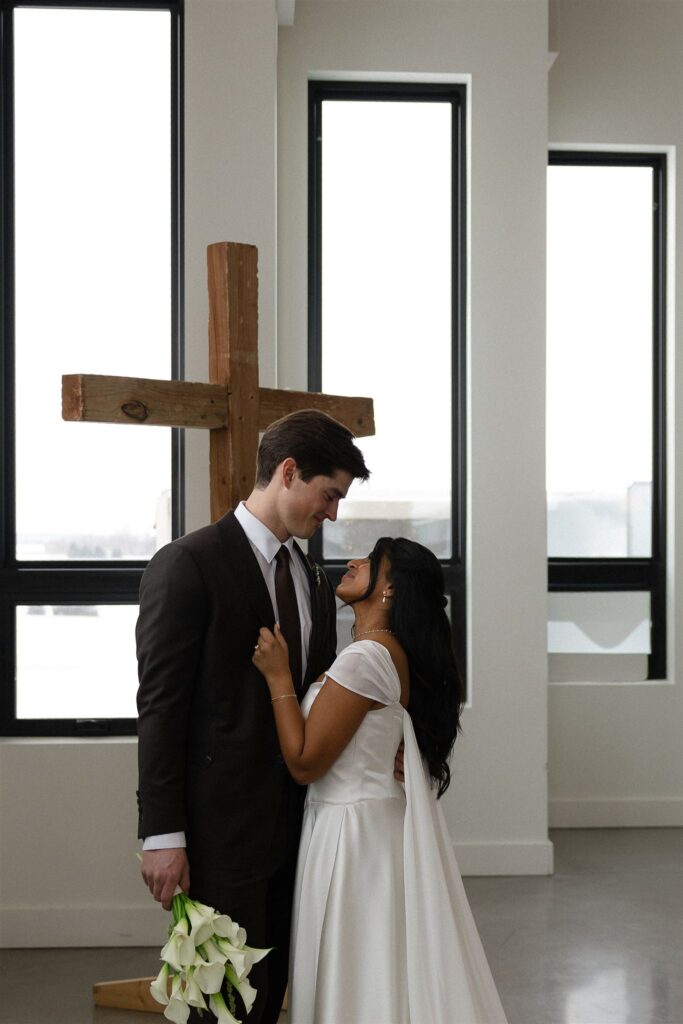
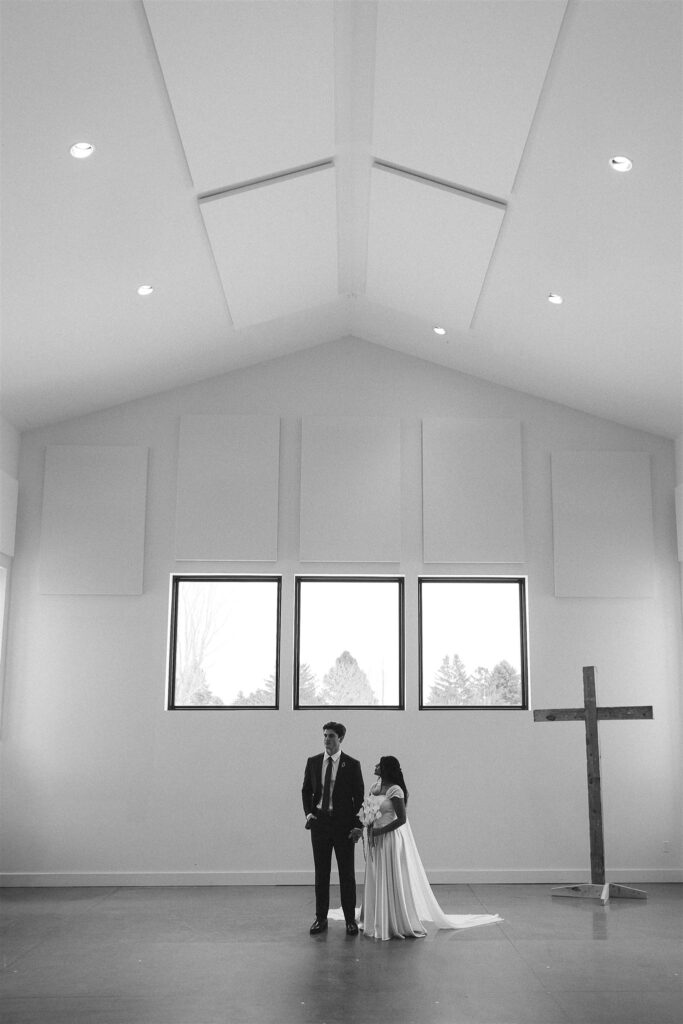
I know your average bride and groom might not think so, but overcast days are kiiiind of God’s gift to wedding photographers everywhere. The light is soft. Stress levels drop. Nobody’s squinting into the sun and questioning their life choices.
It’s lovely. And— important caveat— it’s also not a free pass.
Overcast light can totally flatten a scene if you let it. When everything is evenly lit, nothing naturally stands out. There’s no built-in drama. (And okay, fine, I love me a little drama.)
That’s when composition, timing, and emotion really matter. With overcast light, your wedding photographer can’t rely on the sun to make things interesting, so she has to really see the moment instead.
Soft light is lovely. Soft light on purpose is what makes it worth remembering.
Golden Hour Soft Light
(AKA, the one that gets— and deserves— the air time)
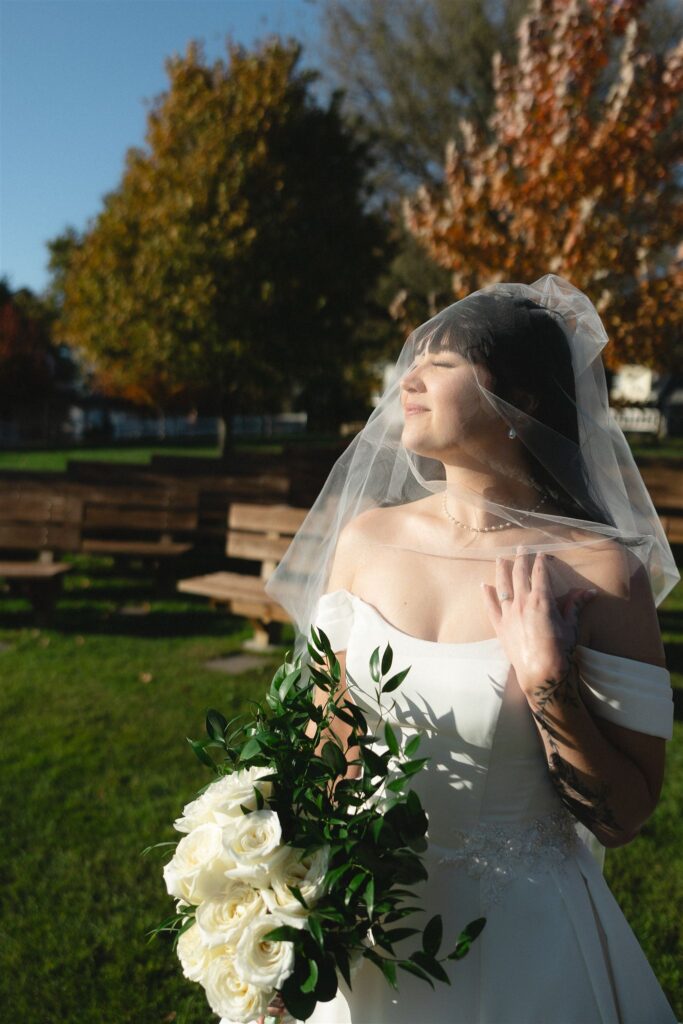
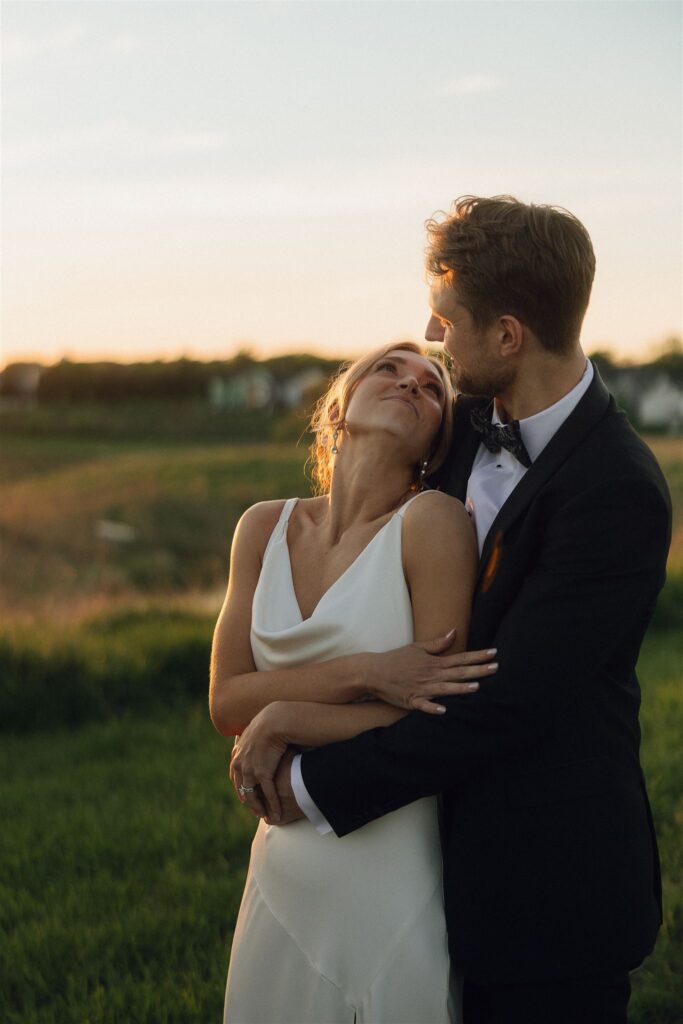
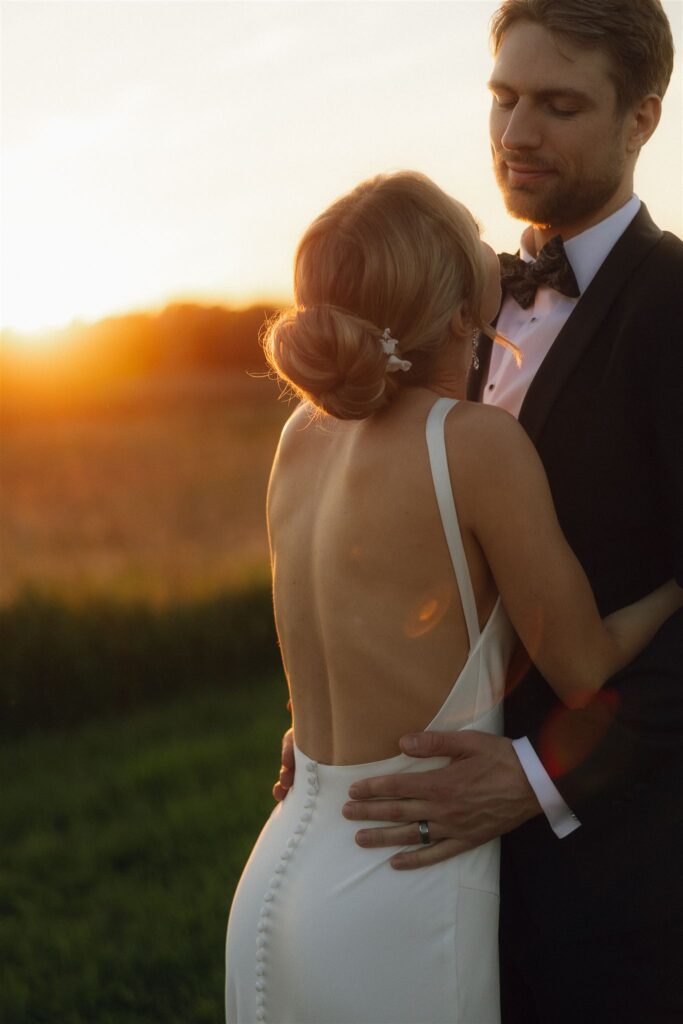
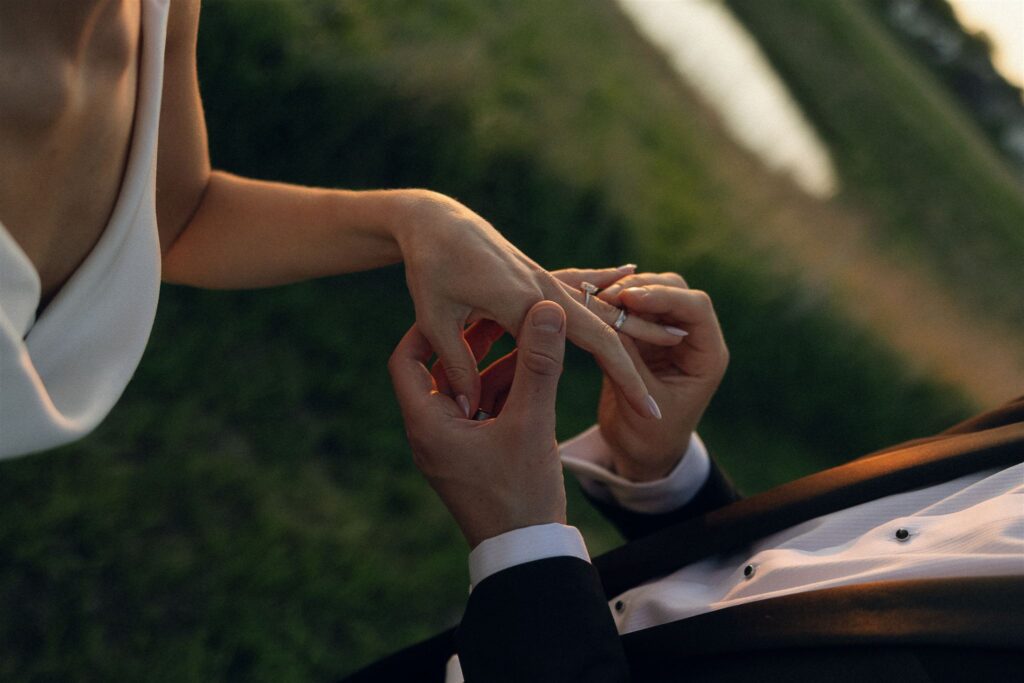
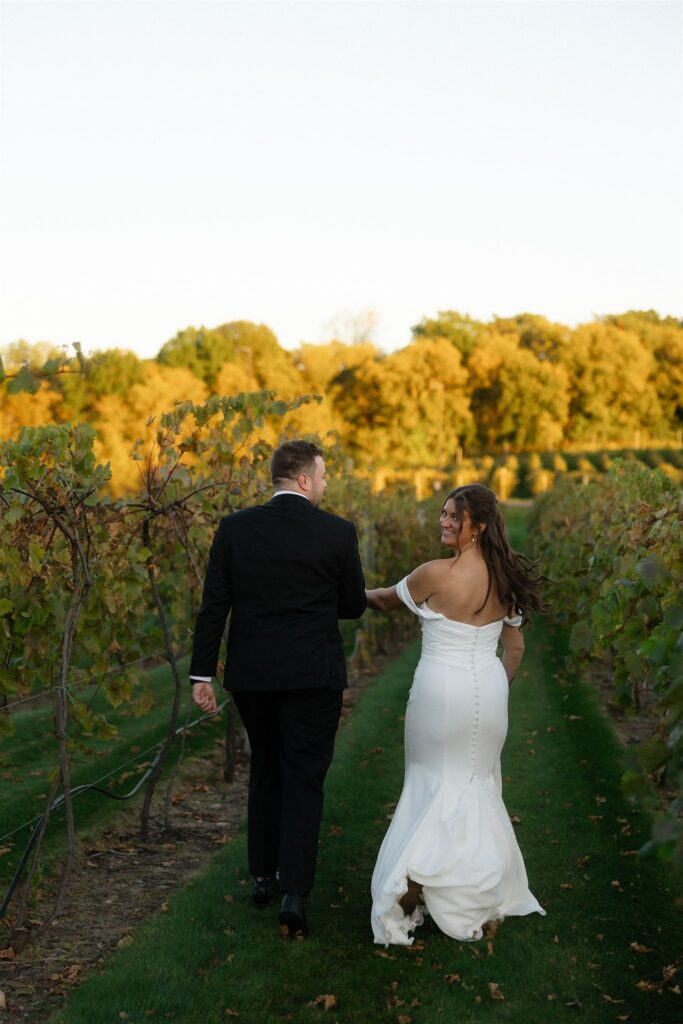
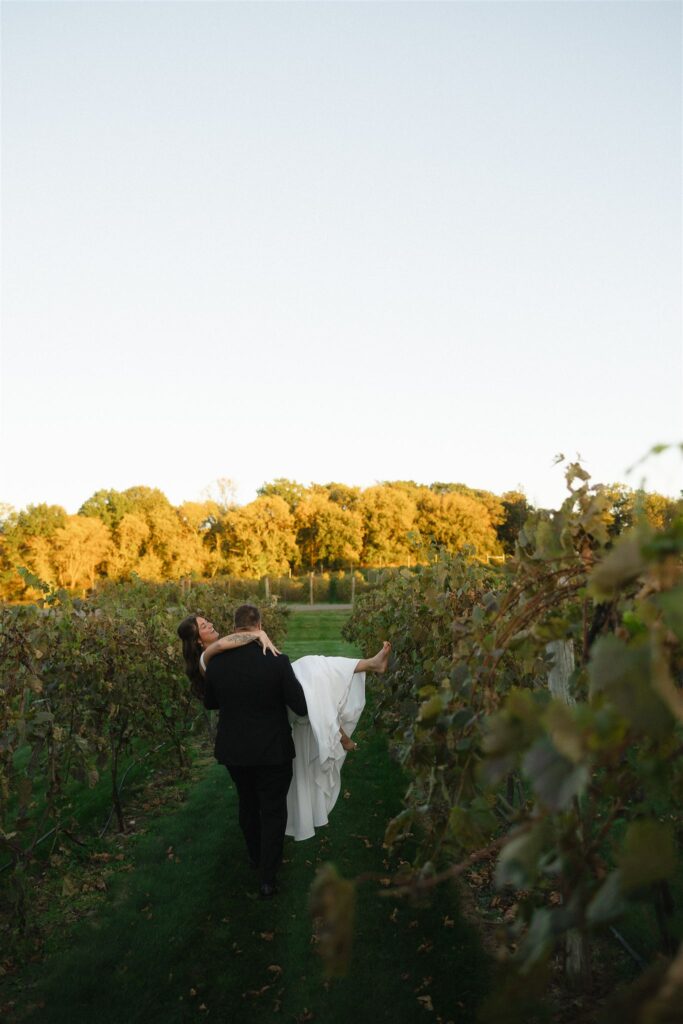
Golden hour is the It Girl for a reason. Warm, directional light that makes everything feel cinematic and romantic? I get it. No notes, just vibes.
But golden hour isn’t magic on autopilot. It rewards photographers who are paying attention — knowing when to backlight, when to turn into the sun, and when to let it skim instead of overpower everything.
The difference between “pretty” and wow is usually just awareness.
(Which is also why I don’t treat golden hour like a single moment we’re relying on. I’m way more interested in weaving portraits throughout the day so we’re not putting all our emotional eggs in one very brief, very unpredictable lighting basket. And, of course, there’s a post for that.)
Ambient Lighting
(AKA, where my approach really shifted)
This is where my relationship with wedding lighting really changed.
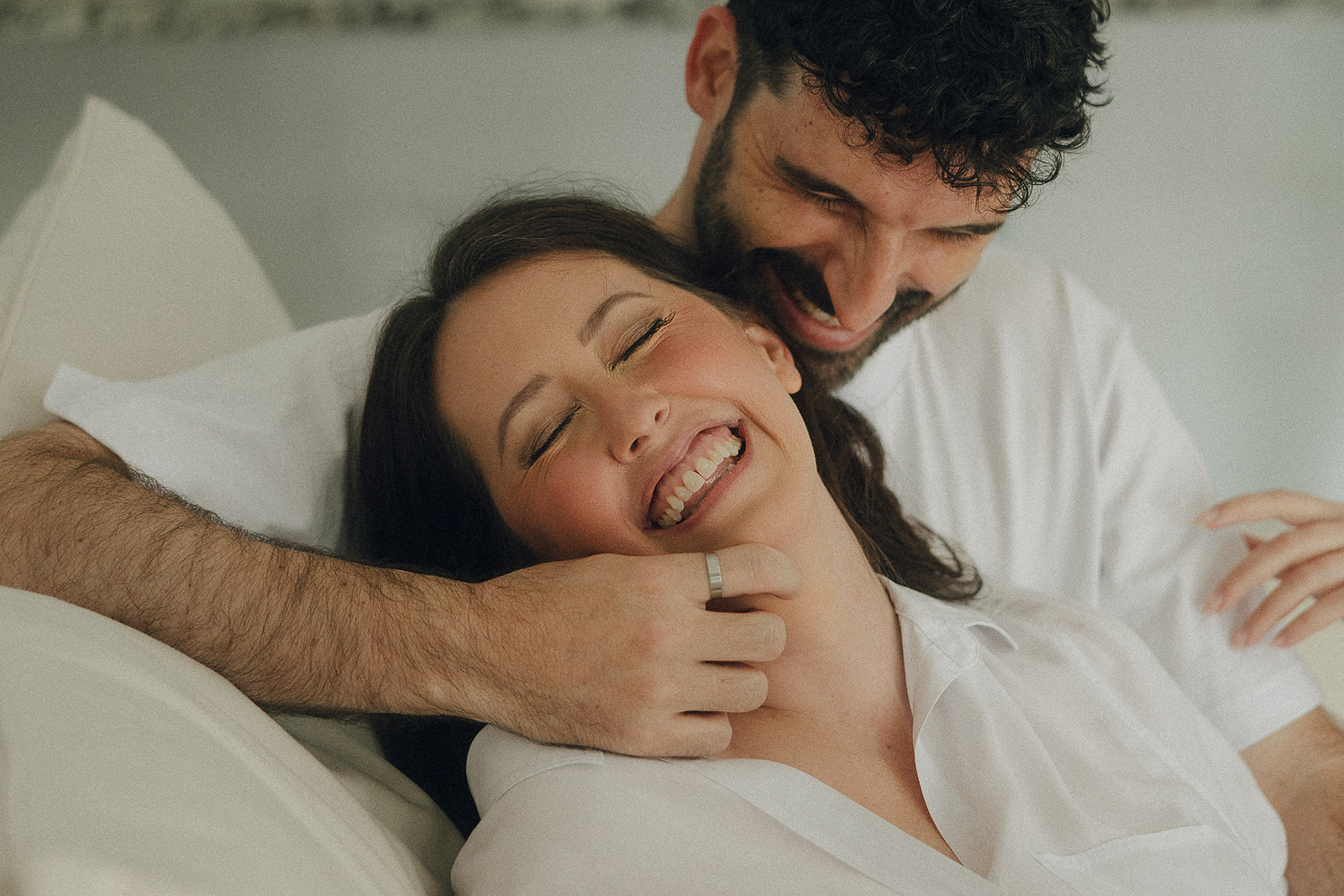
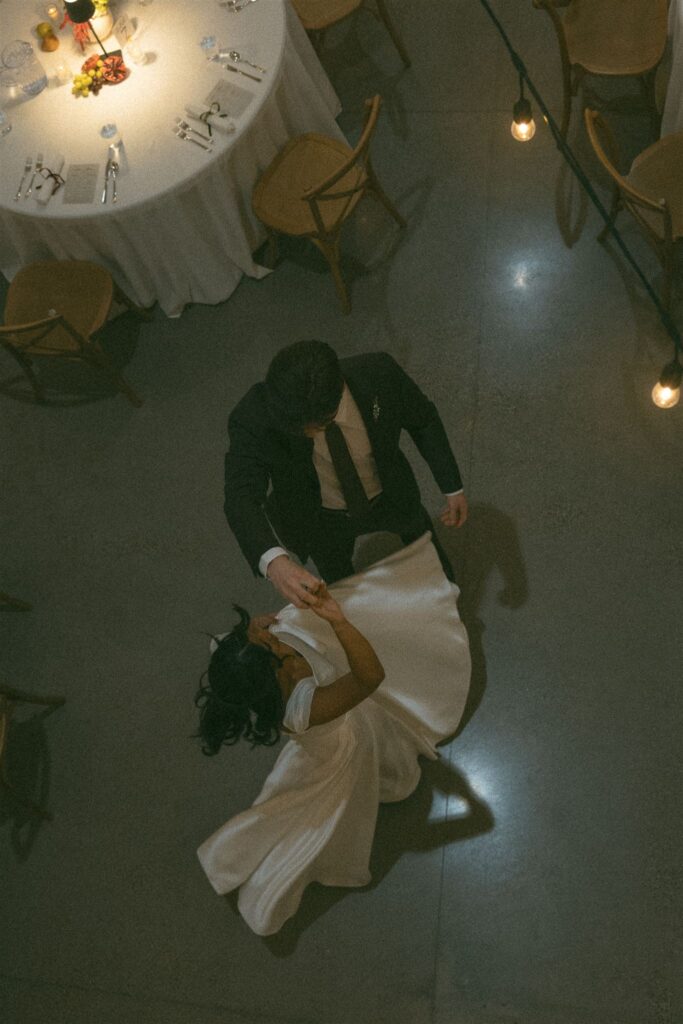
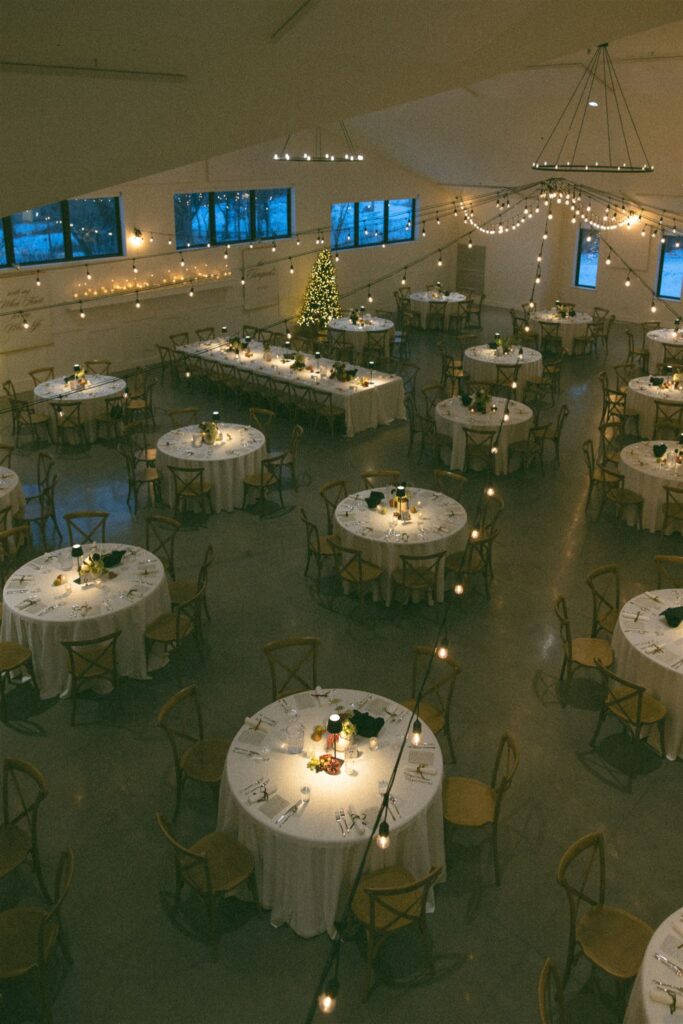
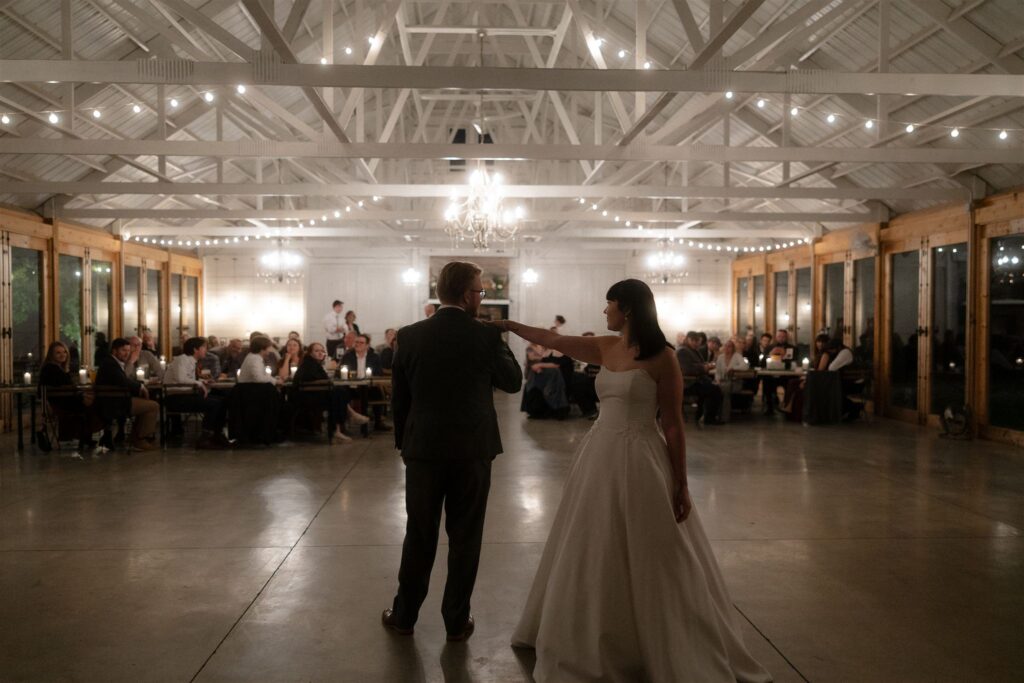
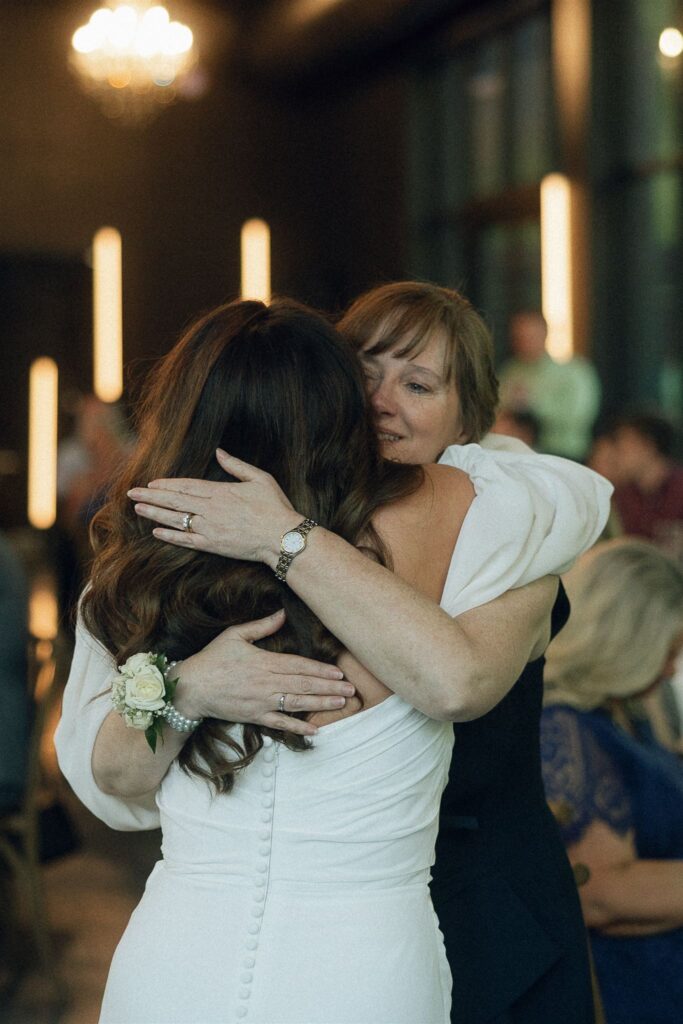
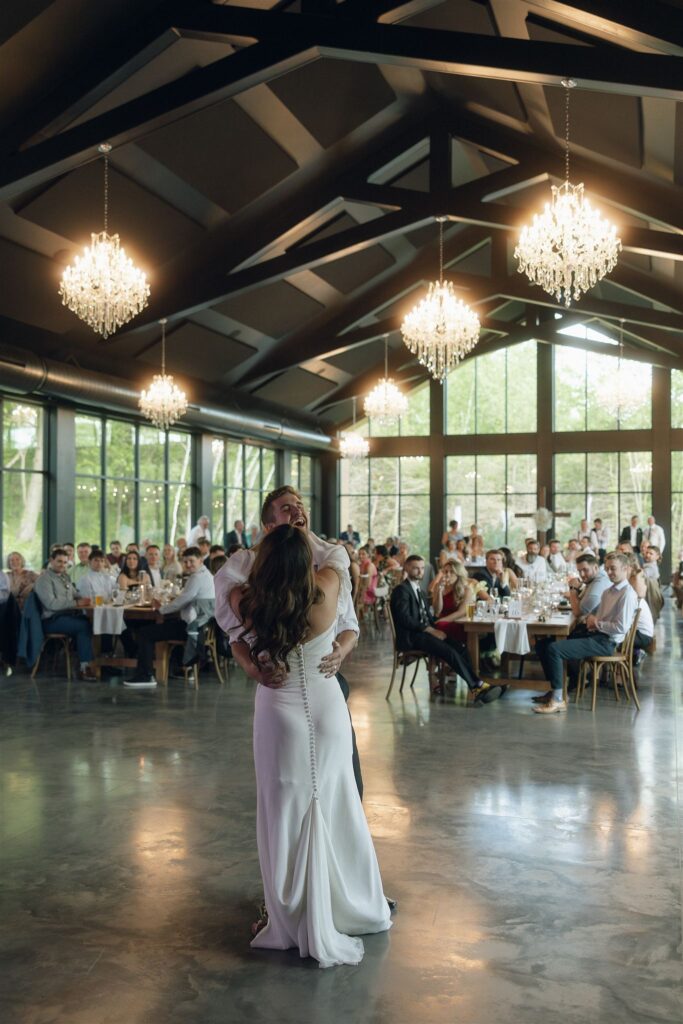
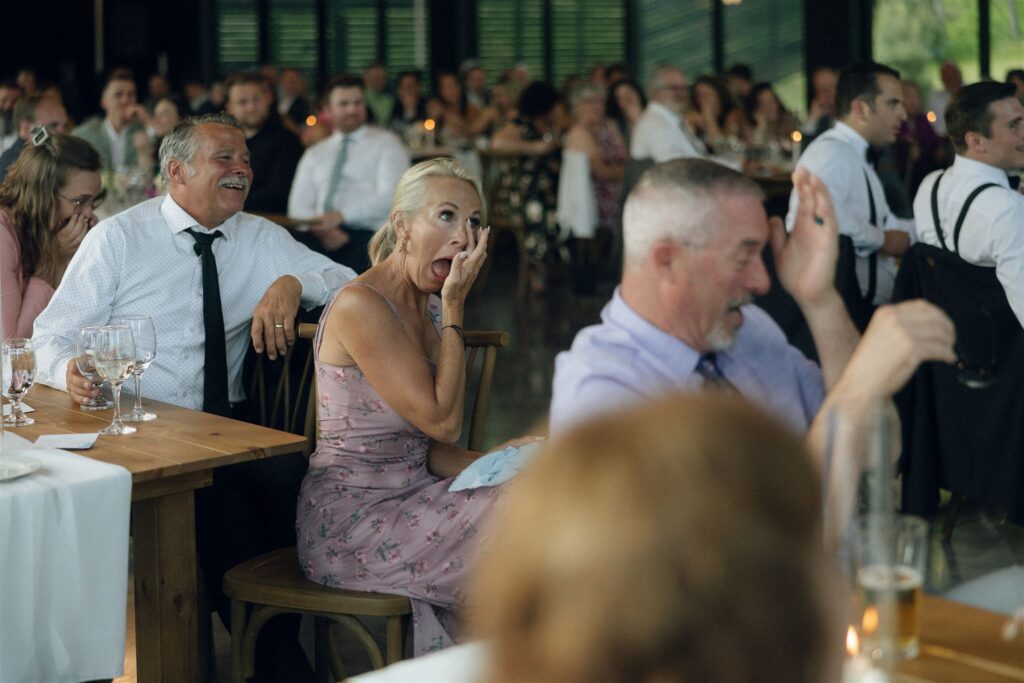
I made a very intentional decision to stop using flash during speeches, first dances, and dinner and start working with the ambient light that already existed in the room — candlelight, string lights, chandeliers, lamps, whatever the venue was serving.
And the reason isn’t all that groundbreaking. Using flash just makes people acutely aware they’re being photographed.
You feel it the second it goes off. The room tenses. The moment shifts. Suddenly people are performing instead of just… being. Which is pretty much a documentary wedding photographer’s worst nightmare come to life.
So I put myself in my couples’ shoes and realized that if the goal is to tell the story as it actually felt, interrupting it with bursts of light didn’t make sense anymore. So I pushed myself to trust the light in the room and tell the story as it was being lived, not the way the camera technically preferred.
Is it harder? Absolutely. Does it require more technical fluency and confidence? 127%.
But the payoff is photos that feel way more emotional and honest. You can almost hear the room when you look at them.
Correct me if I’m wrong. (You won’t.)
So… What Are You Supposed To Do With This Wedding Lighting Photography Information?
Well, for starters: don’t panic. Light isn’t something to fear; it’s something to factor in.
Then, let it inform your wedding venue choice. Pay attention to where the windows are. Notice how the space feels when the lights are dimmed. Ask yourself if the room feels warm, moody, inviting, or whatever other adjective comes to mind when you describe your ideal wedding day.
Second: if you’re on the fence about candlelight at your reception, this is me gently but firmly nudging you toward yes (please). Candlelight photographs like a dream. It keeps the room intimate. It lets moments stay moments. Stunning. Groundbreaking. Iconic.
But most importantly: choose a wedding photographer who isn’t scared of a little sun, a little shadow, or a room that briefly makes her reconsider her career decisions. (For legal reasons, this is a joke.)
Choosing among Minnesota wedding photographers isn’t exclusively an aesthetic preference. It’s all about experience. The light here can be inconsistent from season to season; the venues are moody by design; and the weather does whatever it wants.
At the end of the day, your photographer’s job is to work with the light, without interrupting the story as it’s being told. (Hi. It’s me.)
Not all light is created equal. And knowing how to see it — really see it — is the whole job description.
return to gallery